
Aircraft Donation
Donate Aircraft
Consider donating a small plane, jet, or other aircraft to support children, families, and communities. Our team reviews every submission personally and coordinates the transfer once accepted.

Aircraft Types Accepted
What You Can Donate
We accept single-engine planes, twin-engine planes, light jets, helicopters, experimental aircraft, ultralights, multi-engine prop planes, piston and turboprop aircraft, seaplanes, classic aircraft, and even spare parts or aviation tools.
-
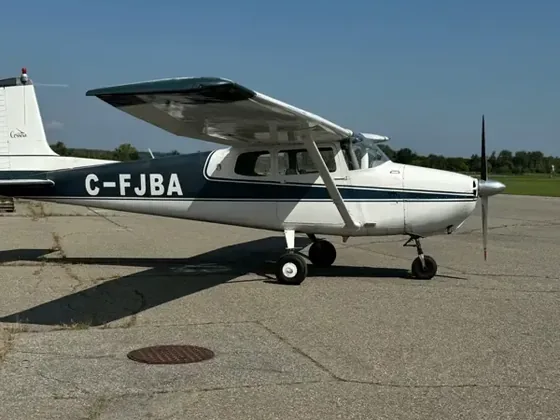 Single-engine planes
-
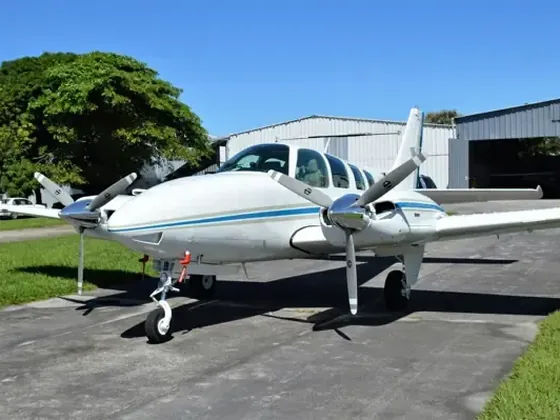 Twin-engine planes
-
 Light jets
-
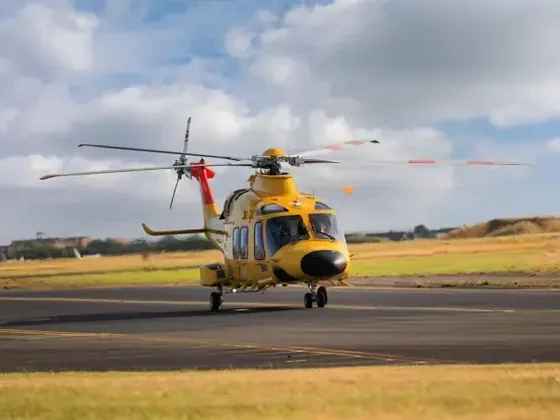 Helicopters
-
 Classic and experimental aircraft
The Process
How Aircraft Donation Works
Complete the form
Share your aircraft's details across the three-step form below.
We review it
Our team reviews the submitted information.
We follow up
We contact you to discuss next steps or request any clarification.
Transfer coordinated
If accepted, we coordinate the transfer process with you directly.
Tell Us About Your Aircraft

What happens next
- Our team reviews every submission personally.
- Aircraft in any condition are considered, airworthy or not.
- If accepted, we coordinate the FAA transfer with you directly.
Common Questions from Aircraft Donors
What aircraft can I donate?
Nearly all aircraft qualify, including single and twin-engine planes, light jets, helicopters, experimental aircraft, ultralights, and even incomplete kits, which are reviewed case by case.
Can I donate an aircraft that does not fly?
Yes. Aircraft in any condition, including grounded or non-airworthy planes, are accepted. Many donors use this option to avoid ongoing hangar, insurance, and maintenance expenses.
Do I need maintenance logbooks?
FAA transfer forms are required, and logbooks are preferred but not mandatory. Incomplete logs may reduce the appraised value but will not prevent the donation.
What is my aircraft used for after donation?
The aircraft is typically sold to generate program funding. Some aircraft are repaired before sale, retained for three years for tax purposes, or kept for program use.
What tax benefit can I expect?
The IRS generally permits a deduction based on the sale price once the charity sells the aircraft. Deductions based on appraised value may apply if the aircraft is retained 36 months or more, in which case a qualified appraisal is required for gifts over $5,000, performed by an independent appraiser with no stake in the transaction. Consult a tax professional, since depreciation and prior write-offs can affect the benefit.
How do I know this is a legitimate donation partner?
Verify our nonprofit status through the IRS Tax-Exempt Organization Search using our taxpayer ID, and ask us directly about transfer procedures and liability indemnification before you donate.
Want the full tax and appraisal rules? Read Donating an Aircraft to Charity: Tax Deduction Rules, Appraisals, and What Happens Next
Have a Different Kind of Asset?
We also accept vehicles, boats, real estate, and securities donations.